Emotional Capital…
…was a worker‑identity dying, a system‑owner identity born, and a question left for the viewer:
What does work mean when effort collapses – and what did we seed while we were being used?
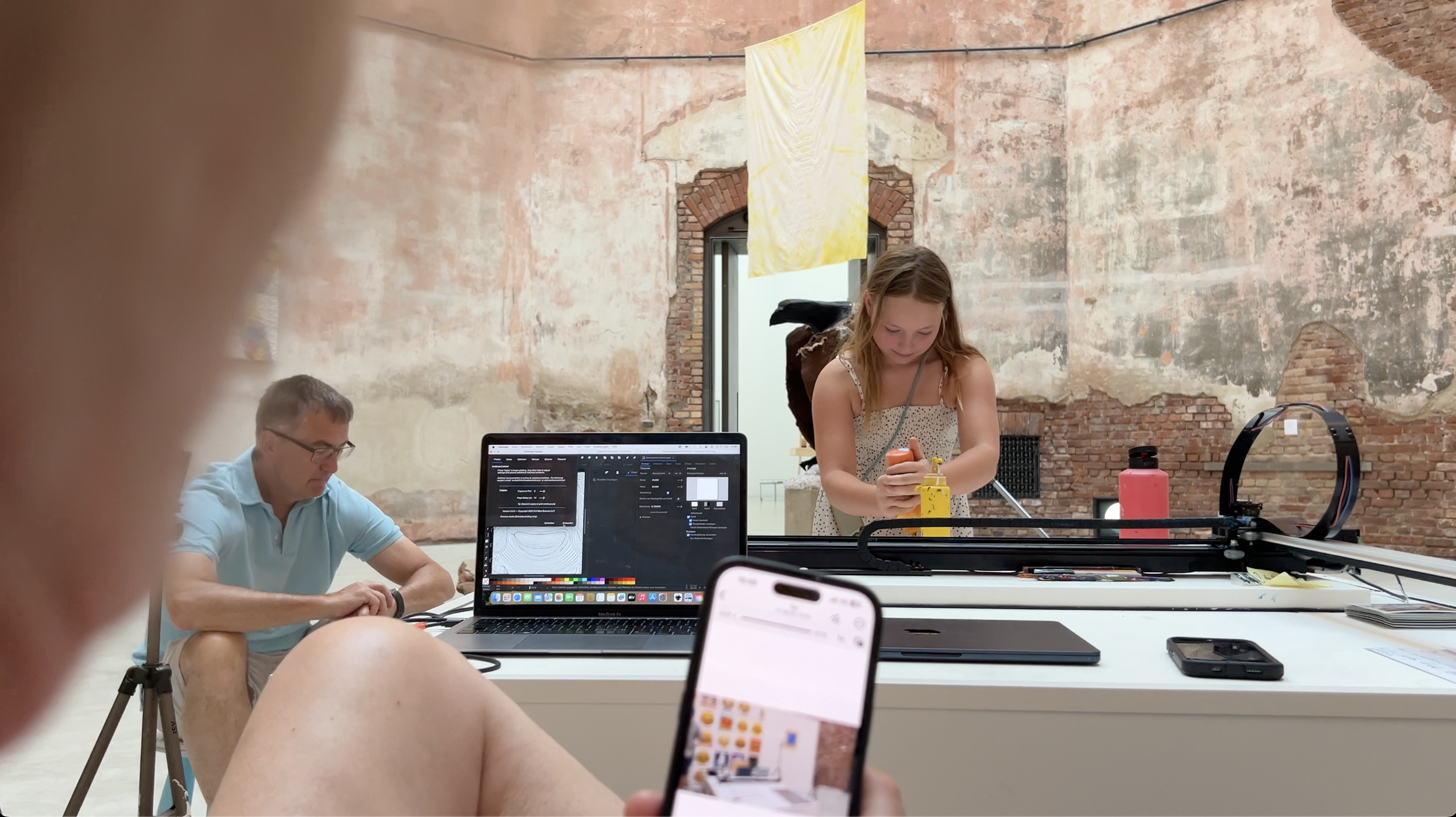
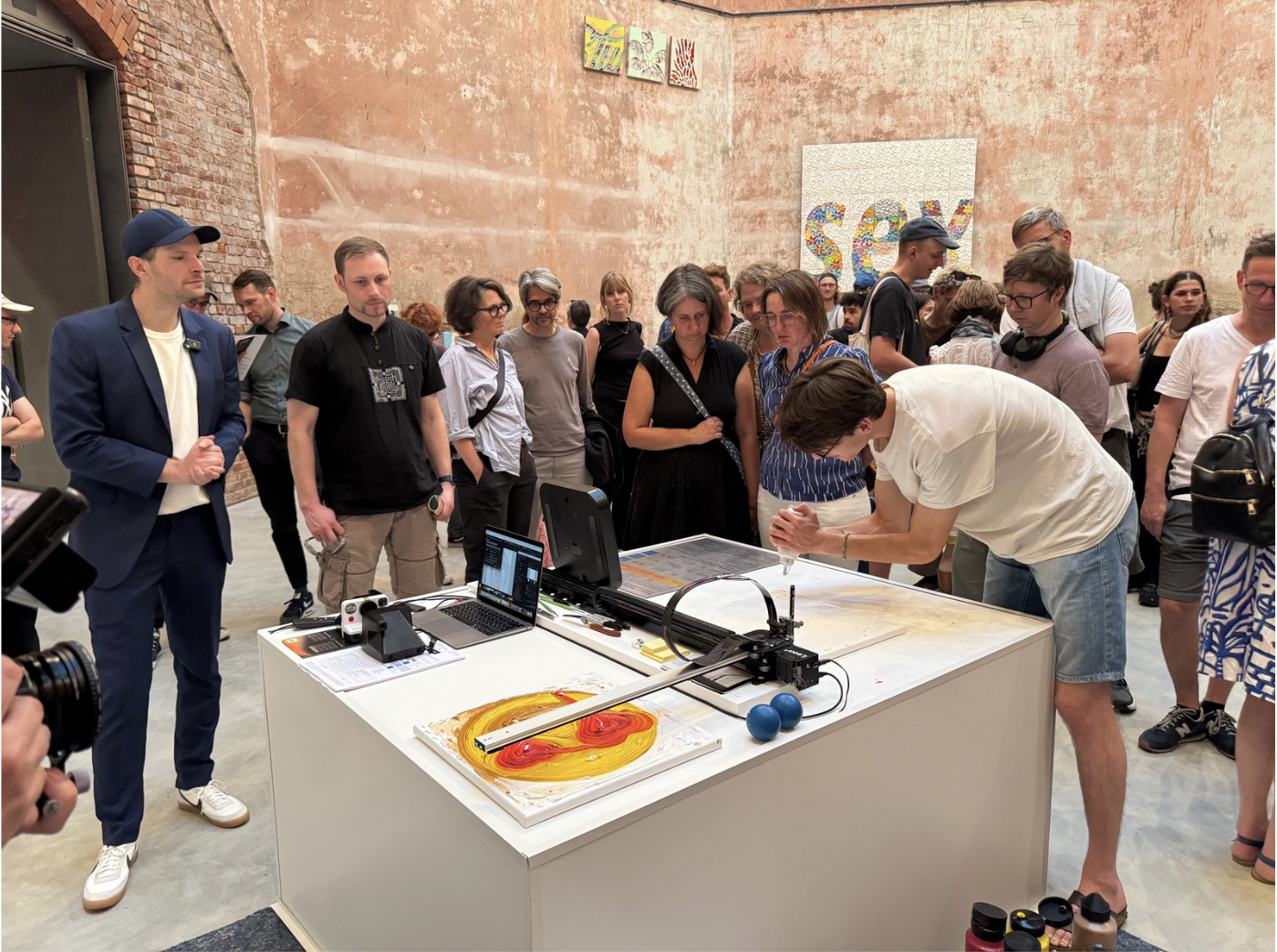
I exhibited my diploma work “Emotional Capital” inside the Oktogon in Dresden, the central exhibition hall of the University of Fine Arts Dresden (HfBK), located directly beneath the iconic glass dome known as the “Zitronenpresse” (“lemon squeezer”).
I studied in the class of Prof. Christian Sery. The work was shown as part of the exhibition “42 Diplomanden” from 25 July to 7 September at Brühlsche Terrasse 1, open Tuesday to Sunday, 11:00–18:00.
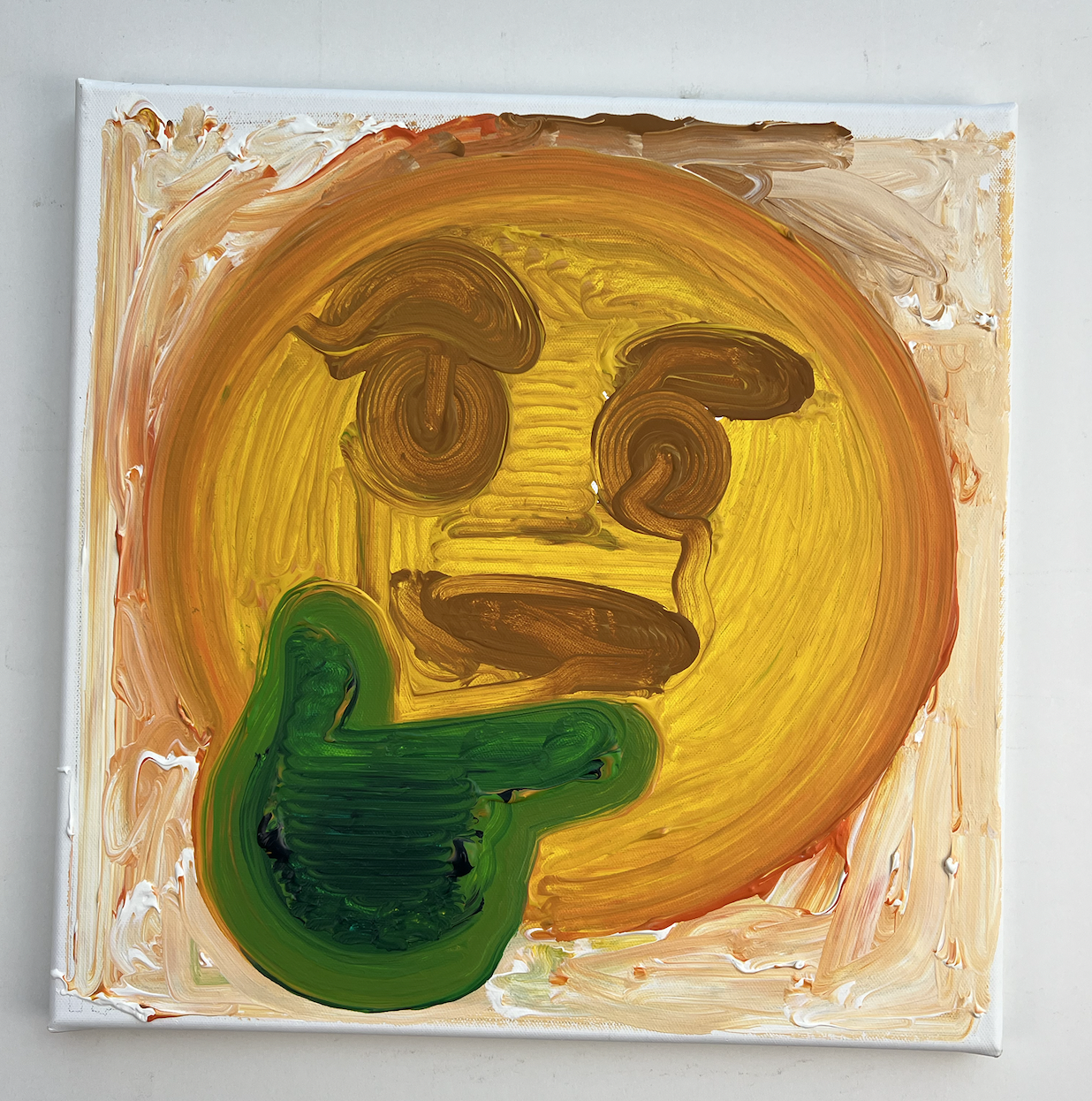
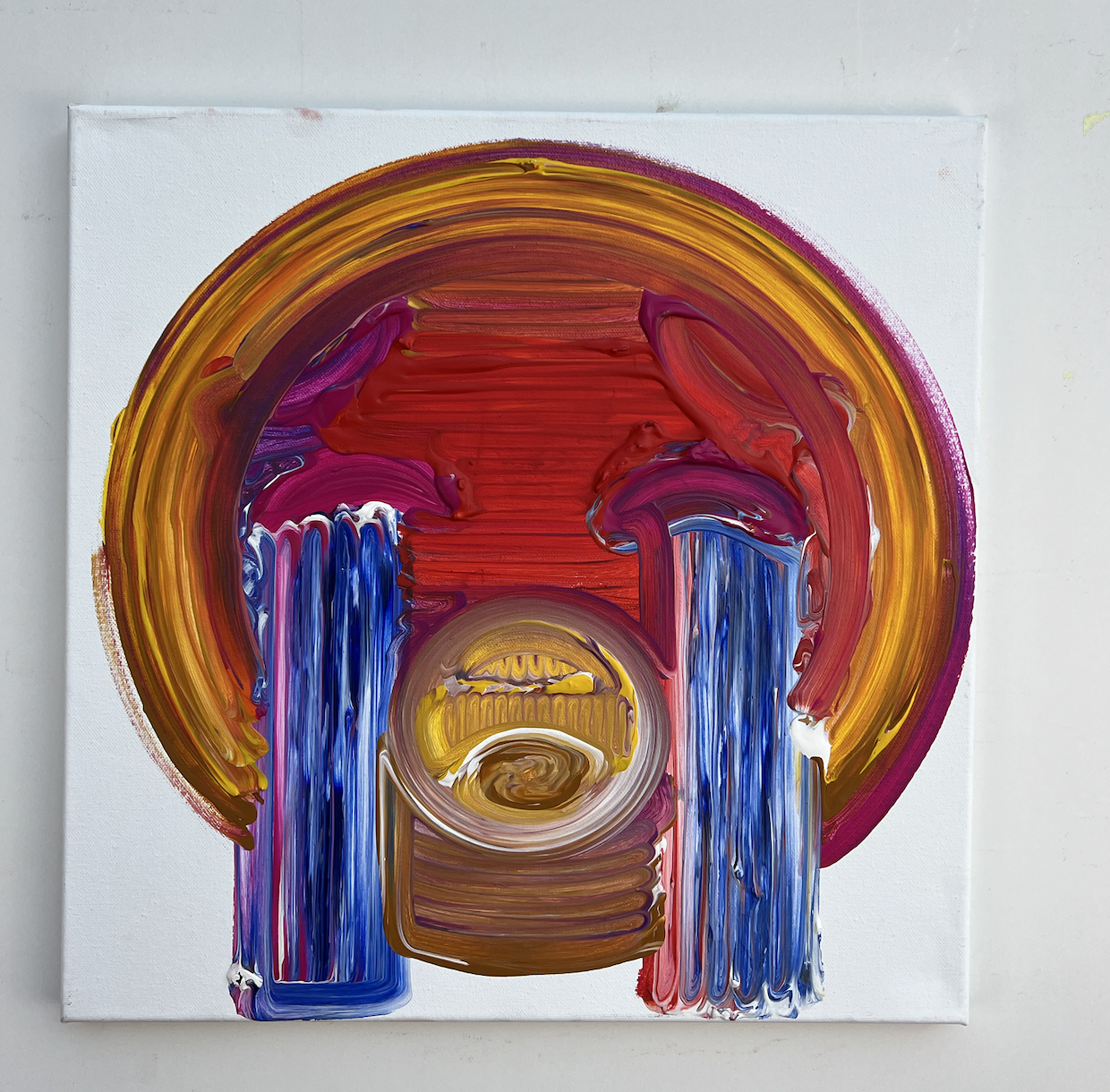
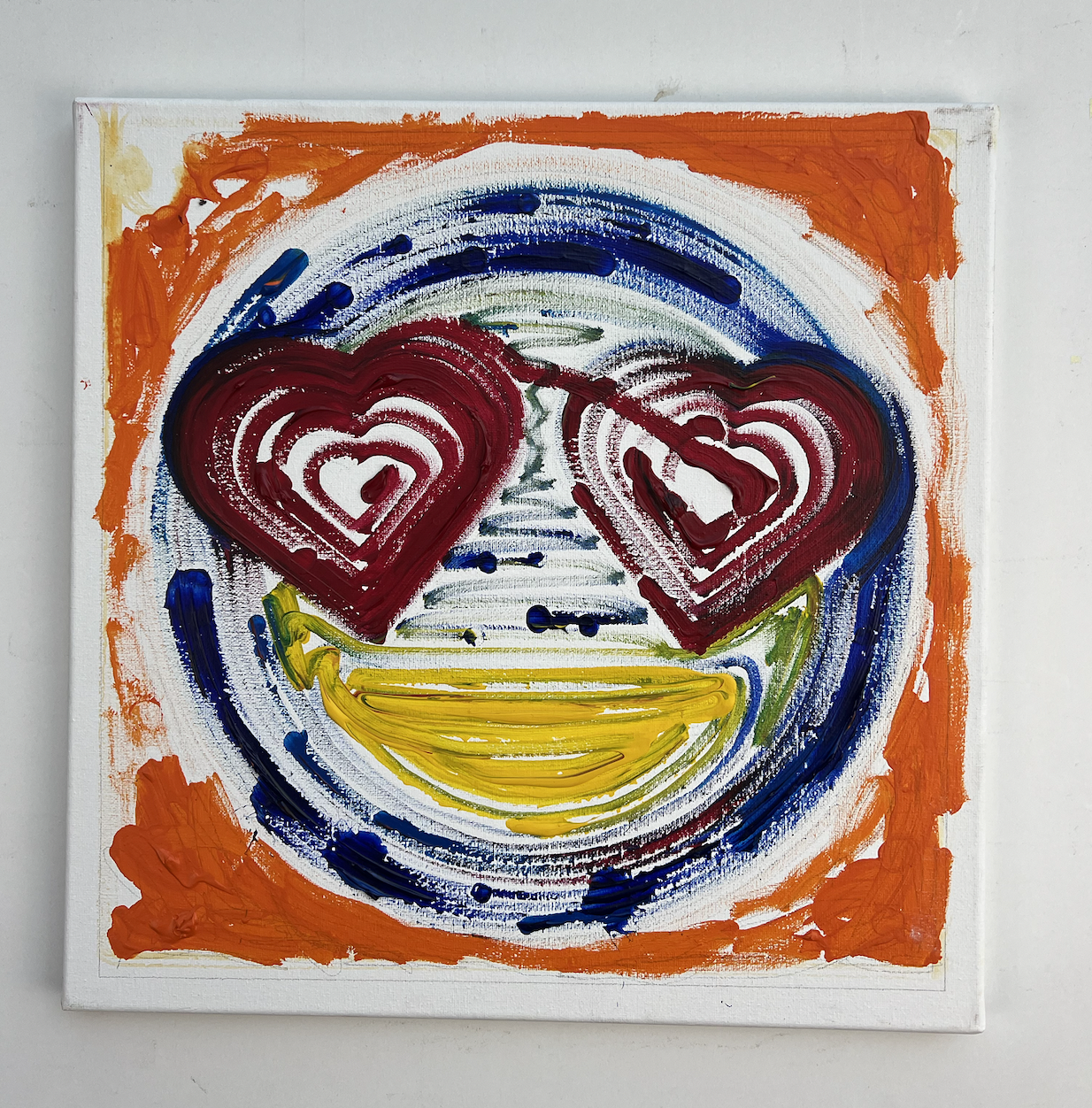
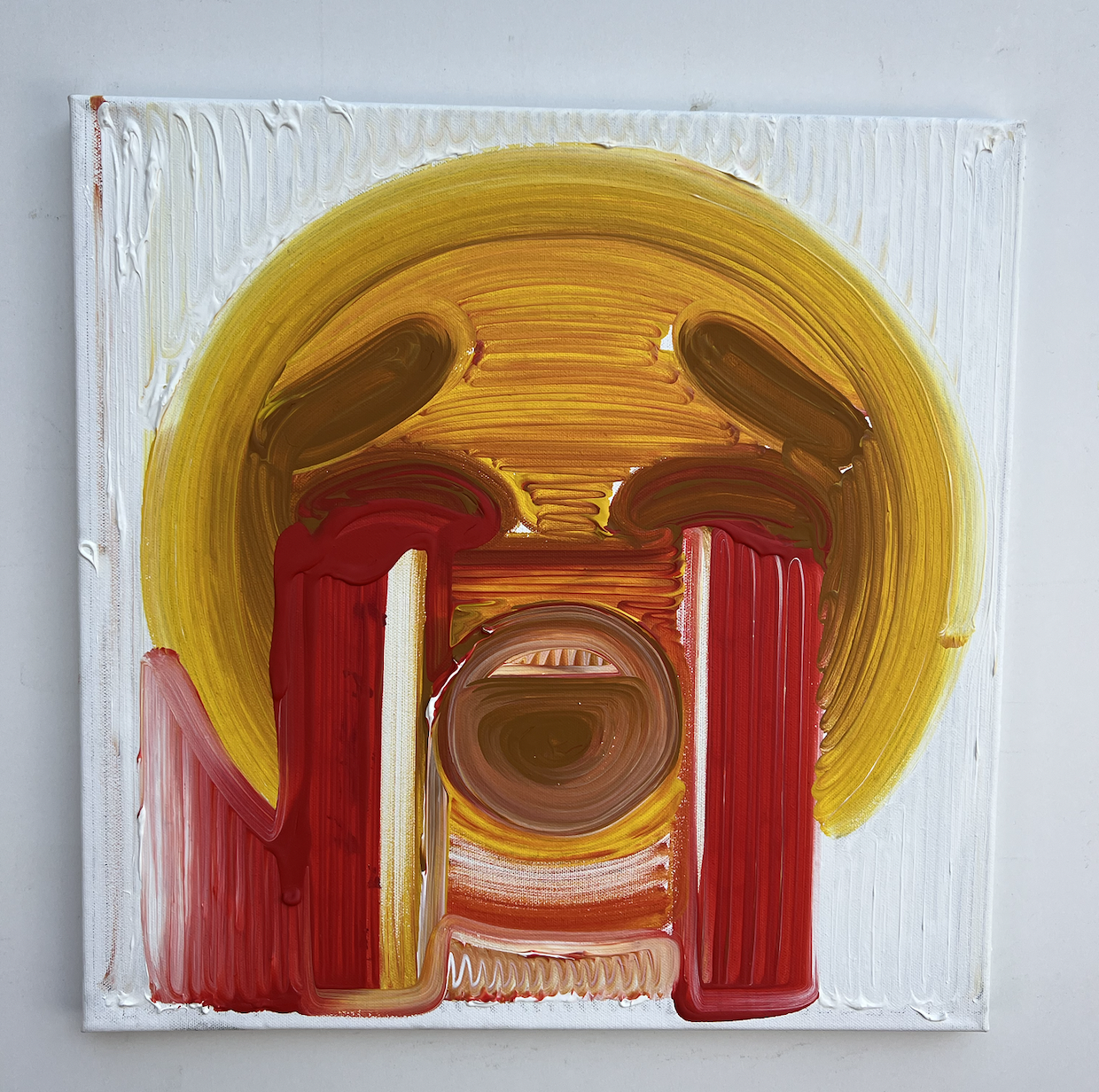
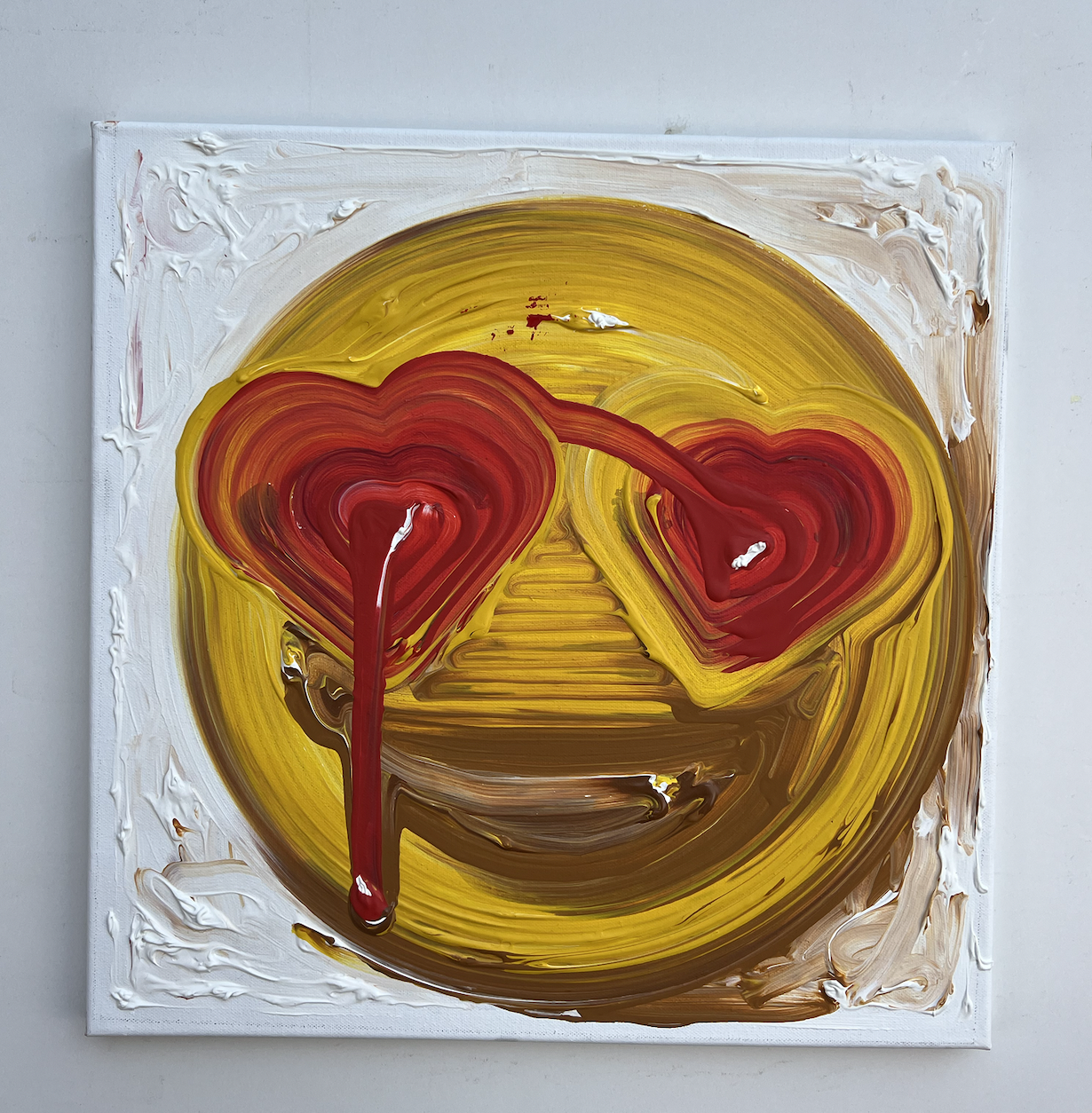
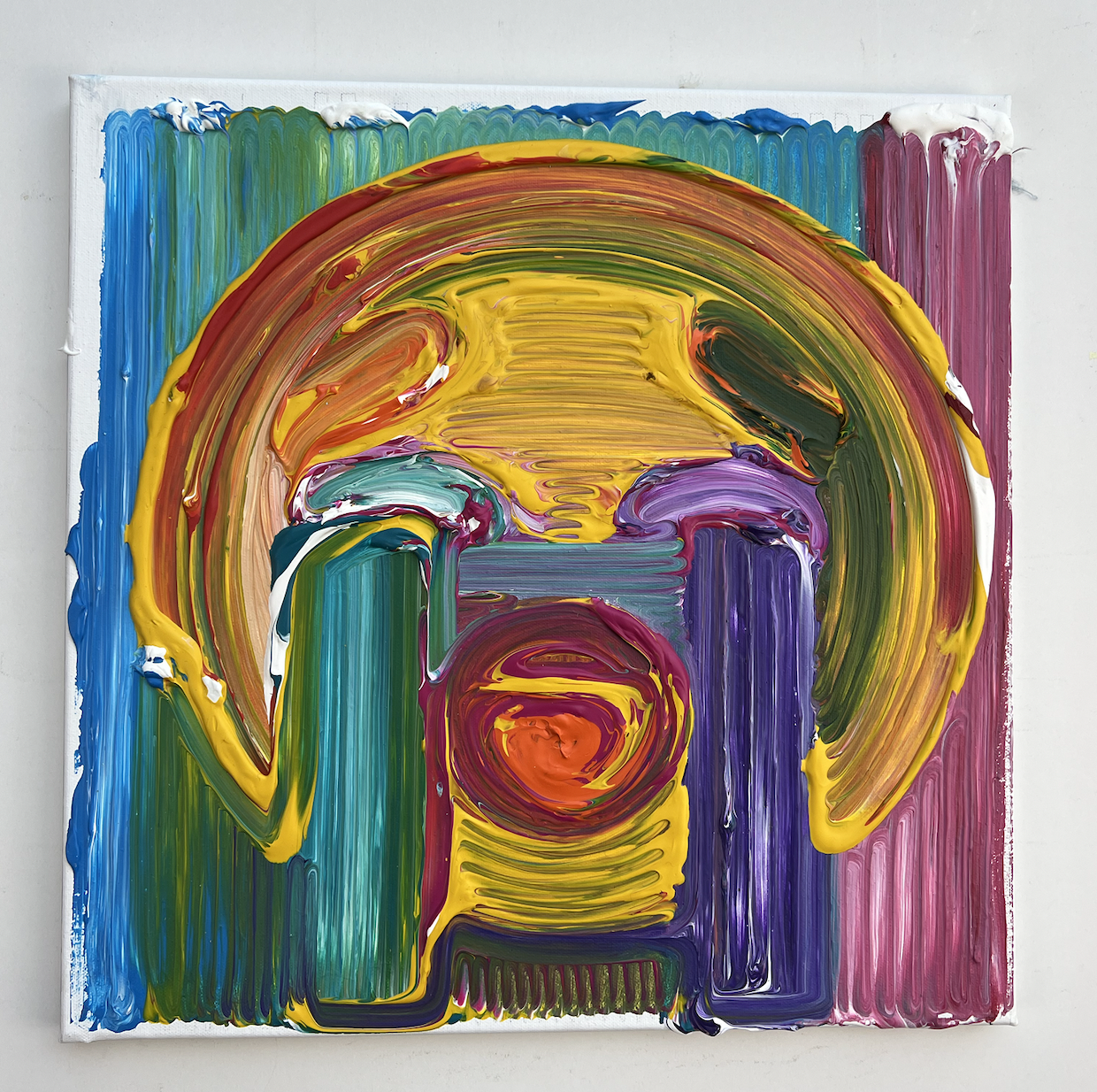
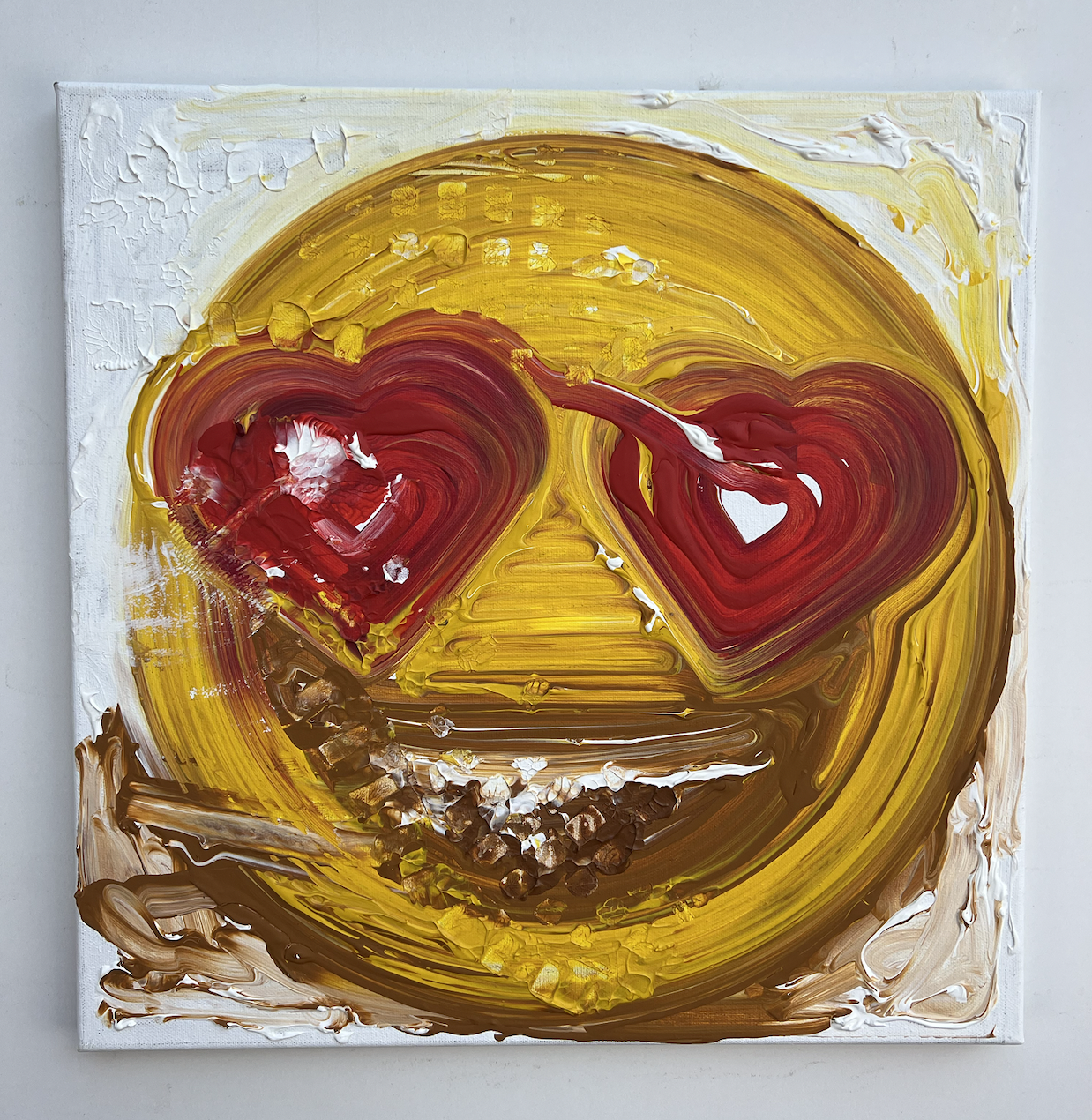
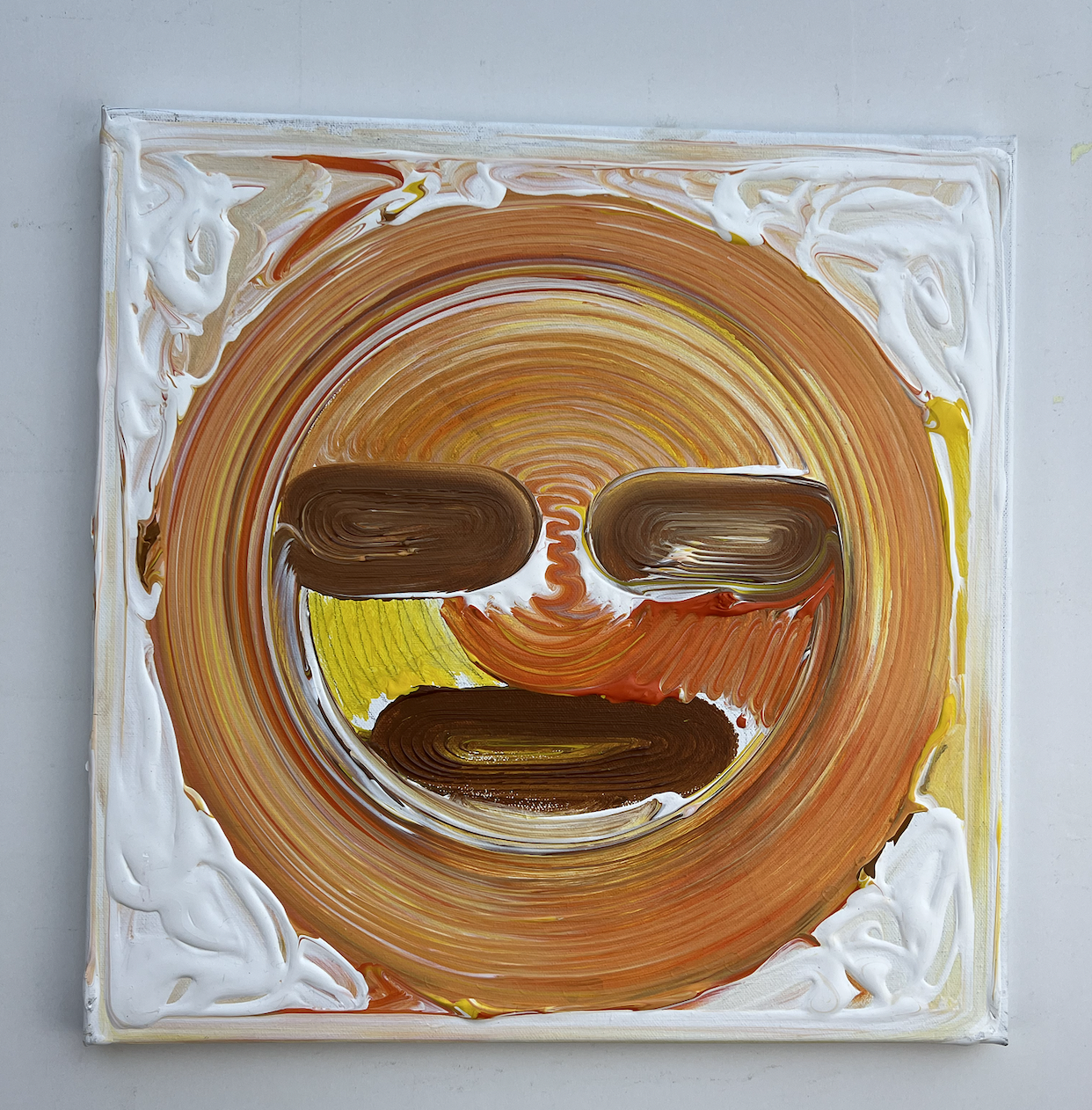
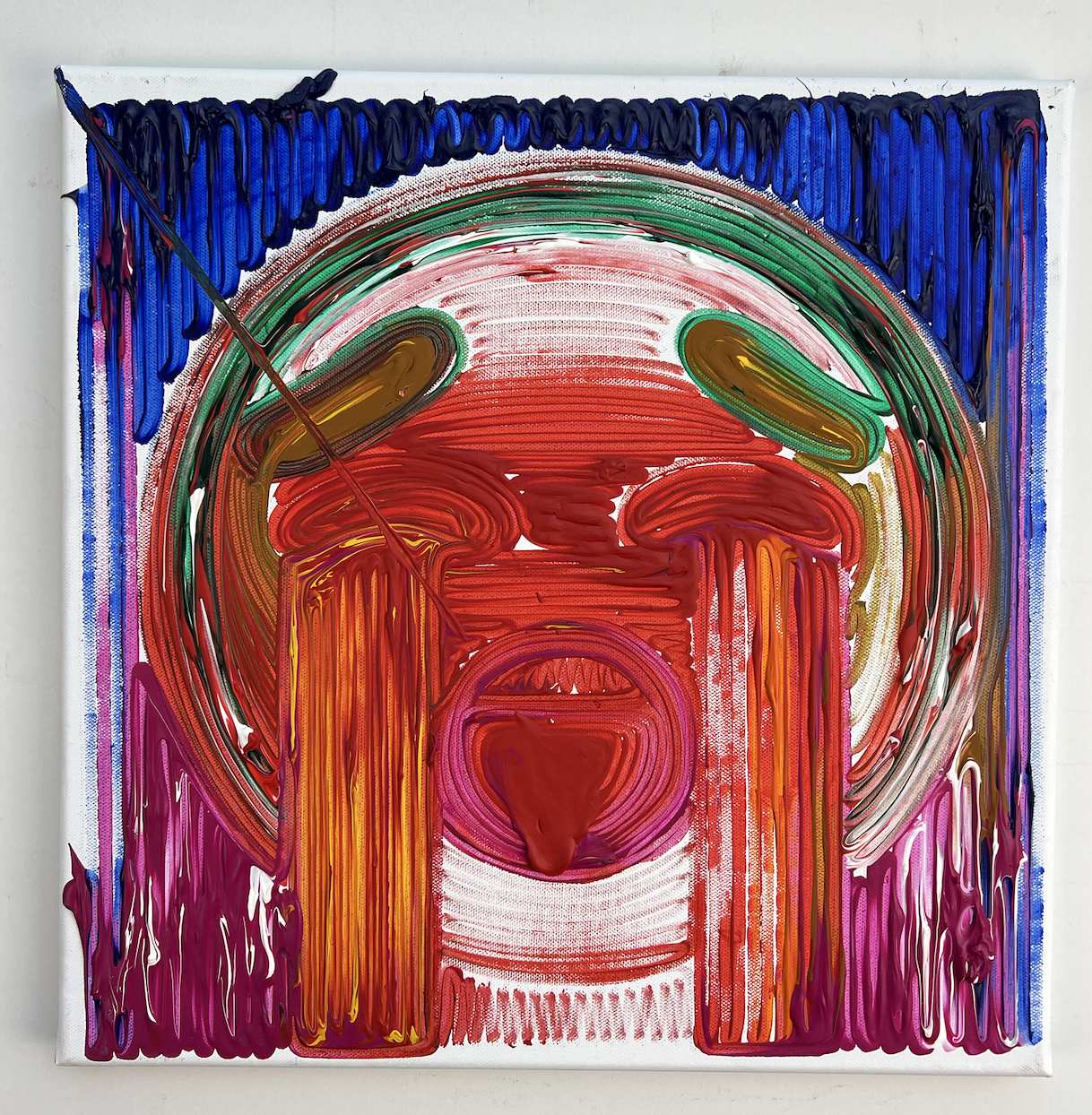
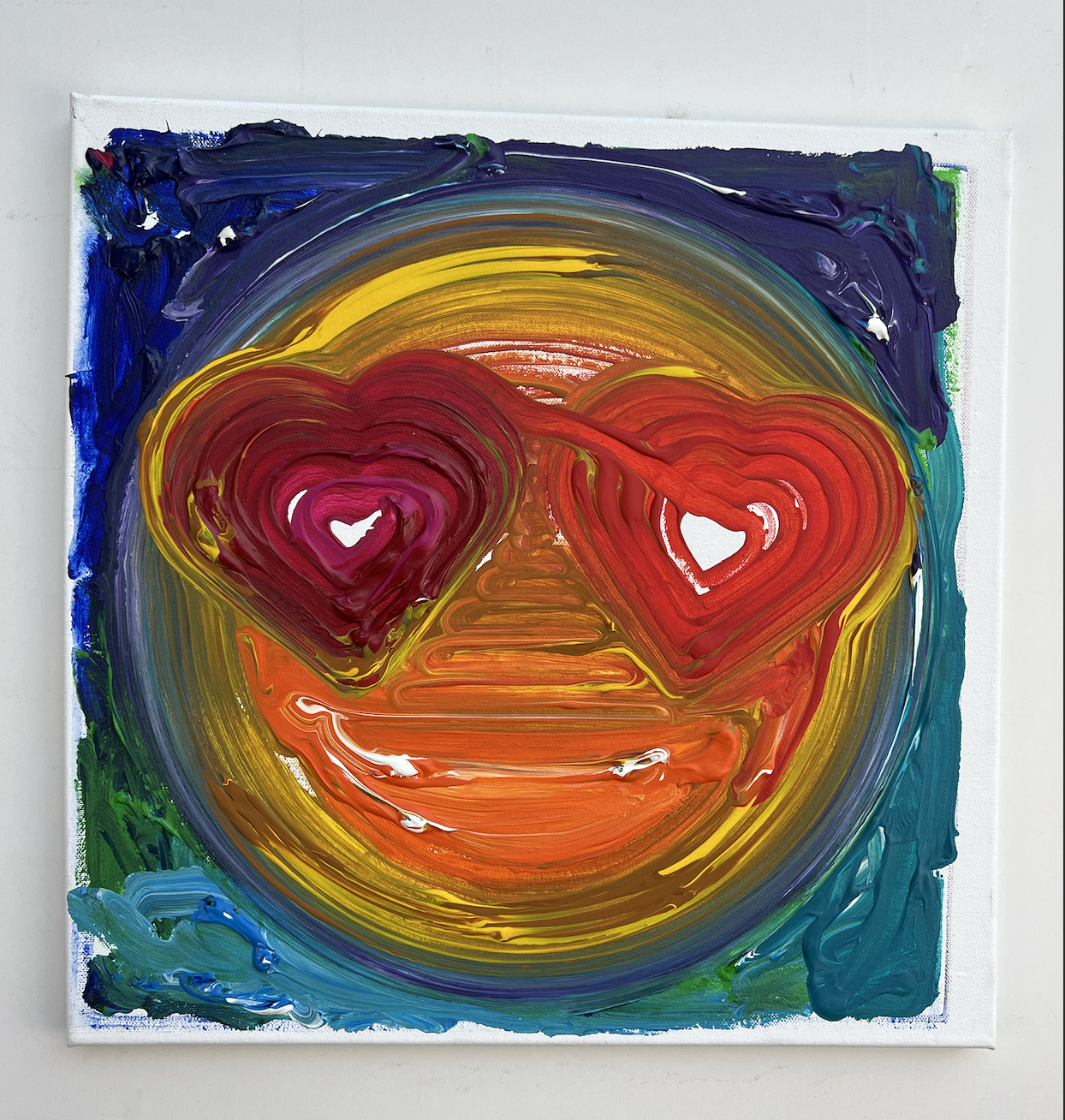
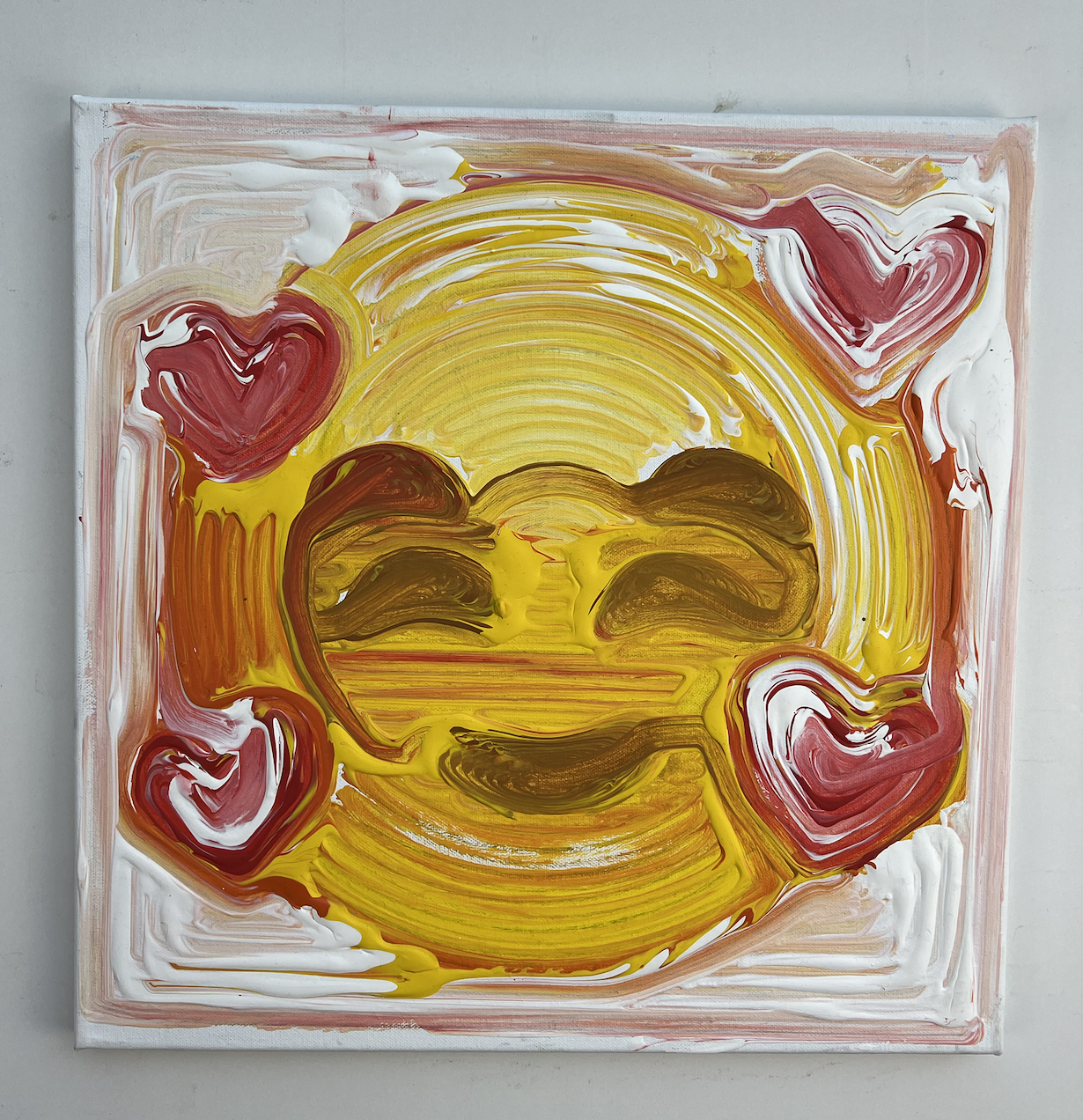
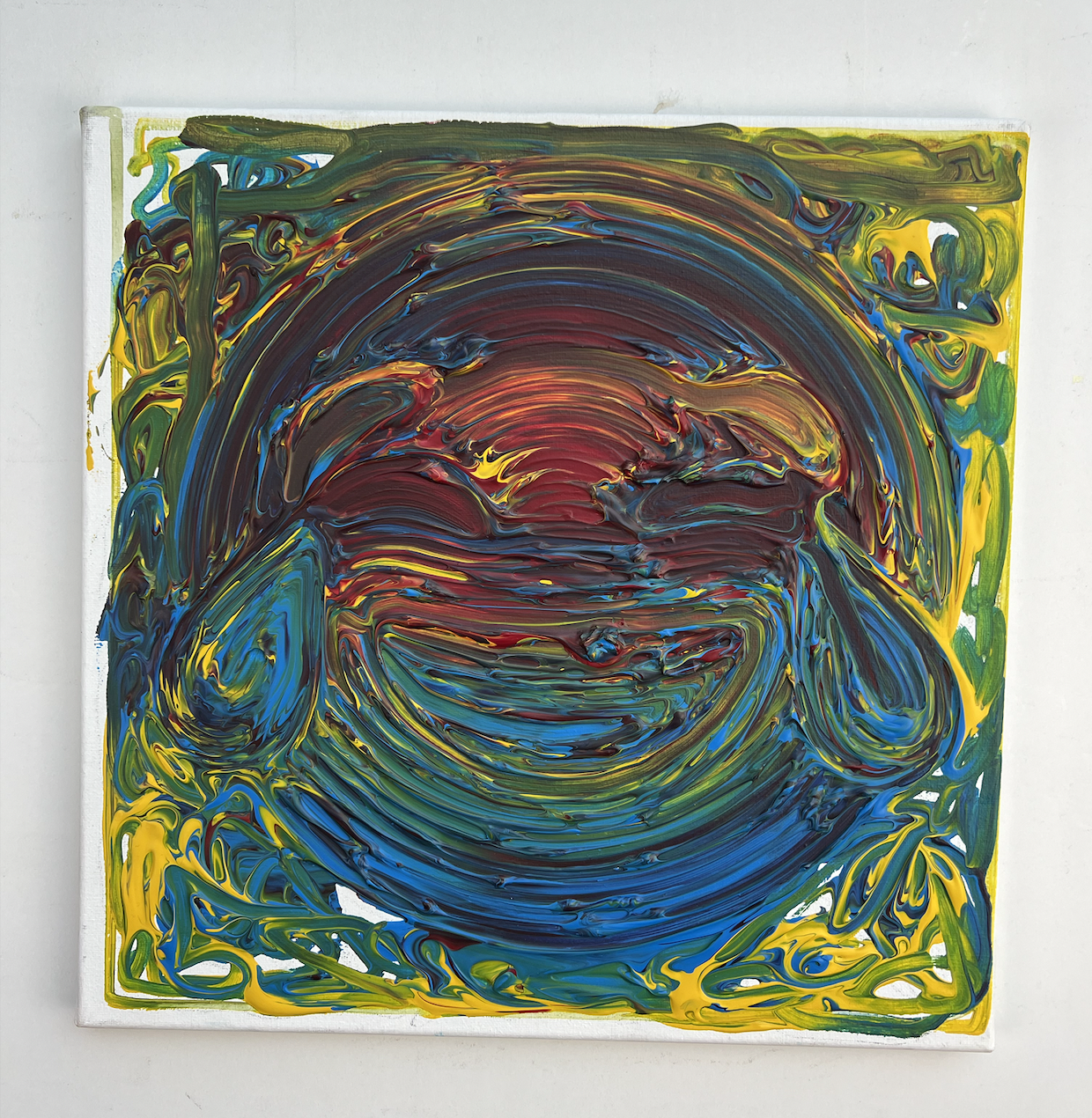
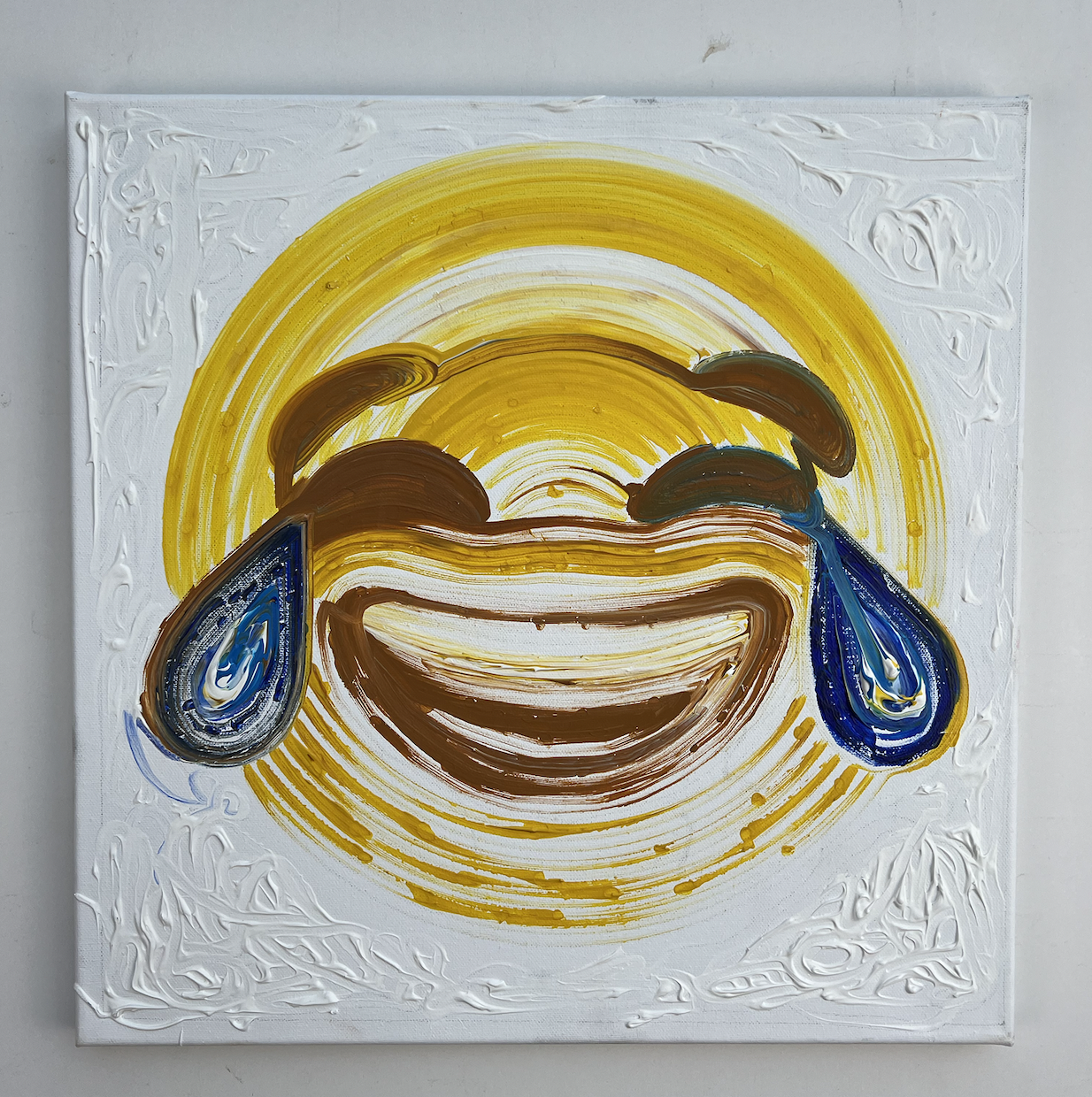
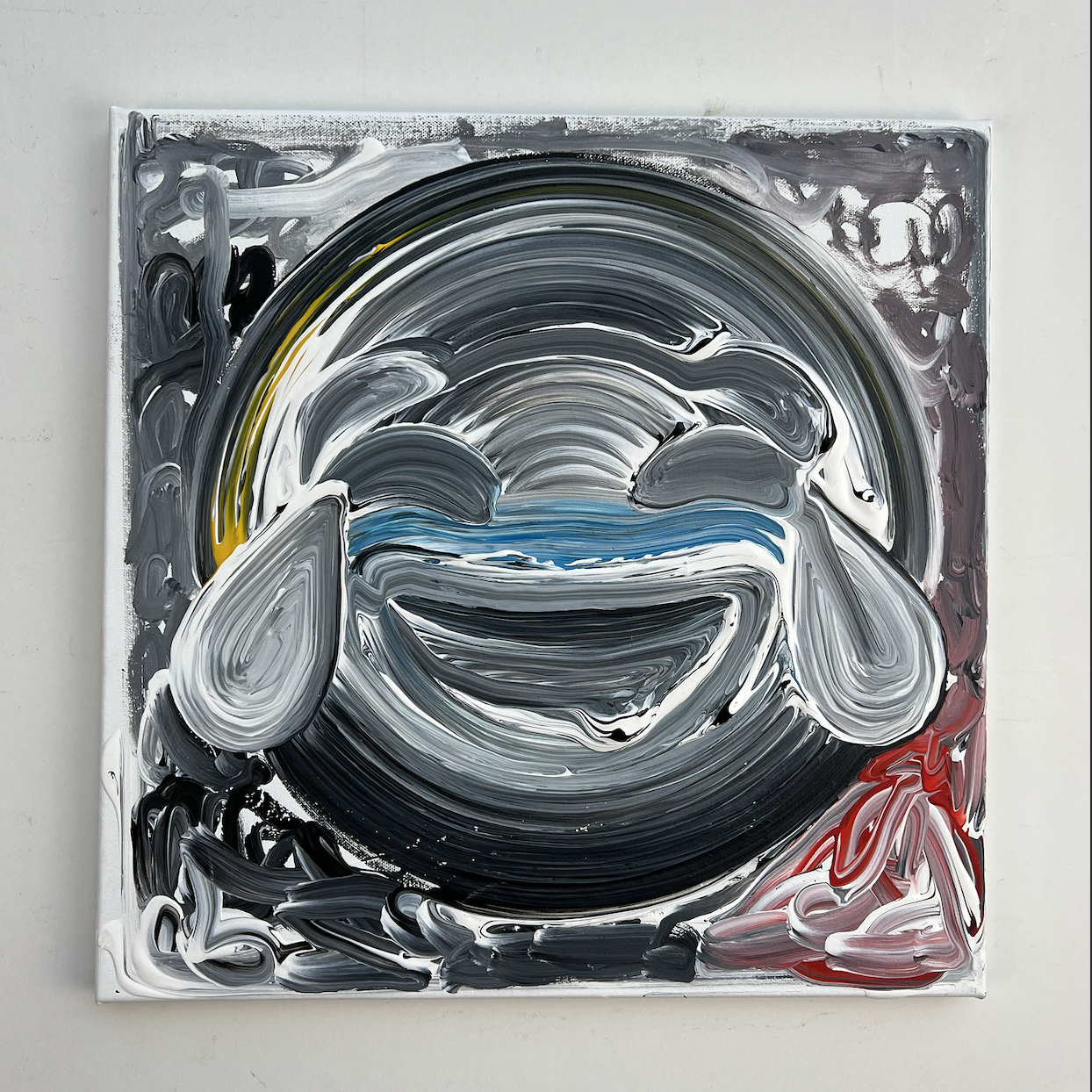
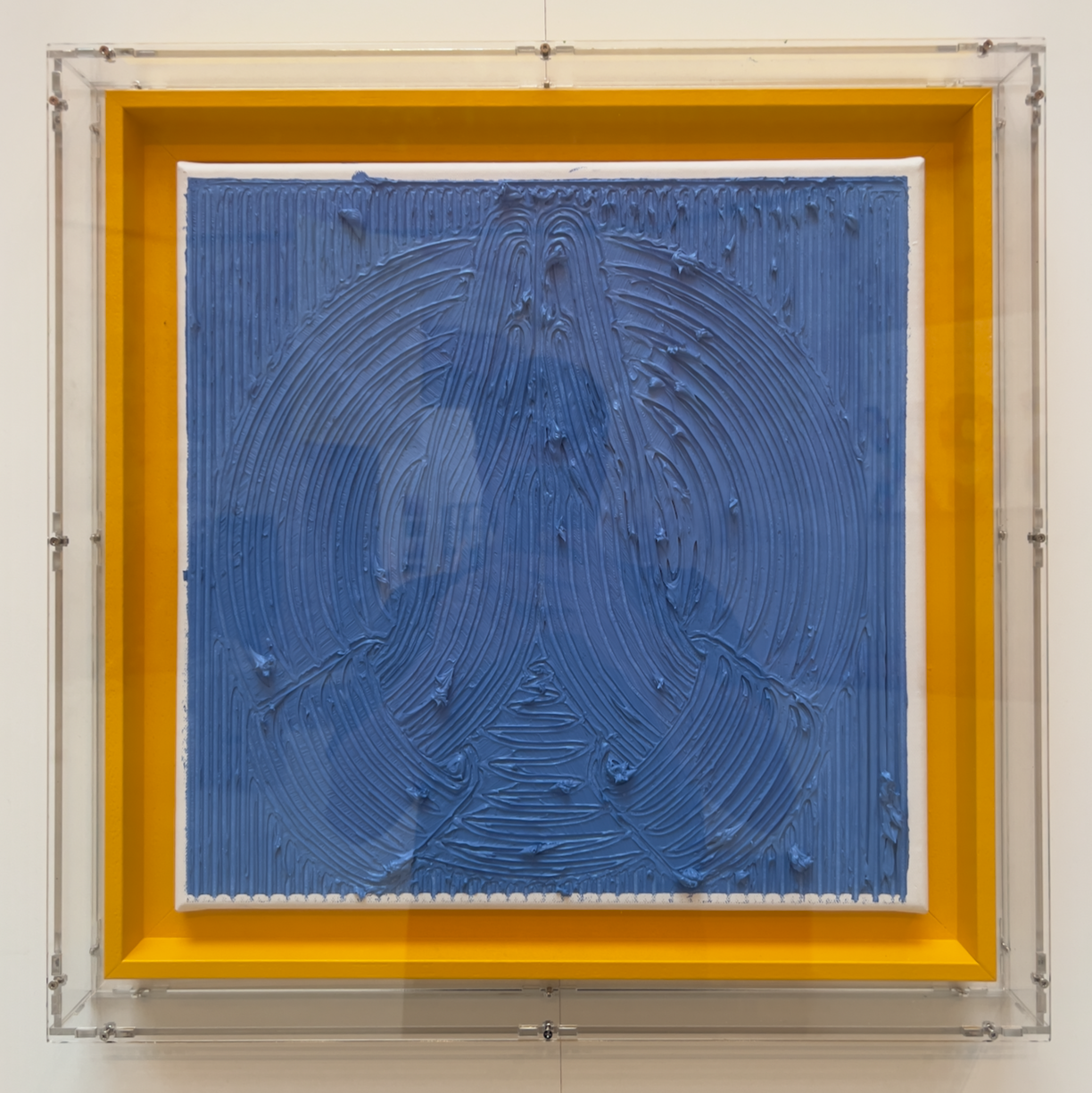
Alex Grots – Economic Substrate & Gratitude
At the entrance you see a small work: a folded‑hands emoji, framed like a classical icon. It was shown from the very beginning of the diploma process, priced at 500 €. Two more collectors bought the same motif during the show.
One of those first emoji pieces went to my business angel and art patron, Alex Grots. With 8,000 € of backing, he made the whole MonoSerie diploma possible: 2,300 serial uniques, the gallery with Holger John, the catalog, and The New Olympia. Eight thousand euros plus my energy. Without that substrate, none of this work could exist.
This is exactly what I call Law 2 – The Economic Substrate Law:
Good work can only persist on top of a viable economic base. No surplus, no stable conditions for deep, long‑term work. Ignoring the numbers doesn’t make art “pure,” it makes it fragile.
Alex was my mécène in the art world and my business angel in the startup world. The folded‑hands emoji is my way of saying thank you – and a reminder that behind every “brave” art project, someone quietly pays the bill so the work can go on.
Grand Slam–style offer for art.
It commodifies the uncommodifiable.
A Grand Slam Offer cannot be compared to anything else in the market. It combines an attractive promotion, an unmatchable value proposition, a premium price, and a money model that gets you paid to acquire customers.
Philosopher Gernot Böhme distinguished between use value (what a thing does) and staging value (what atmosphere it creates, what it makes you feel). In the aesthetic economy, he argued, we no longer buy function – we buy staged feeling.
My pricing model takes that literally and pushes it one step further:
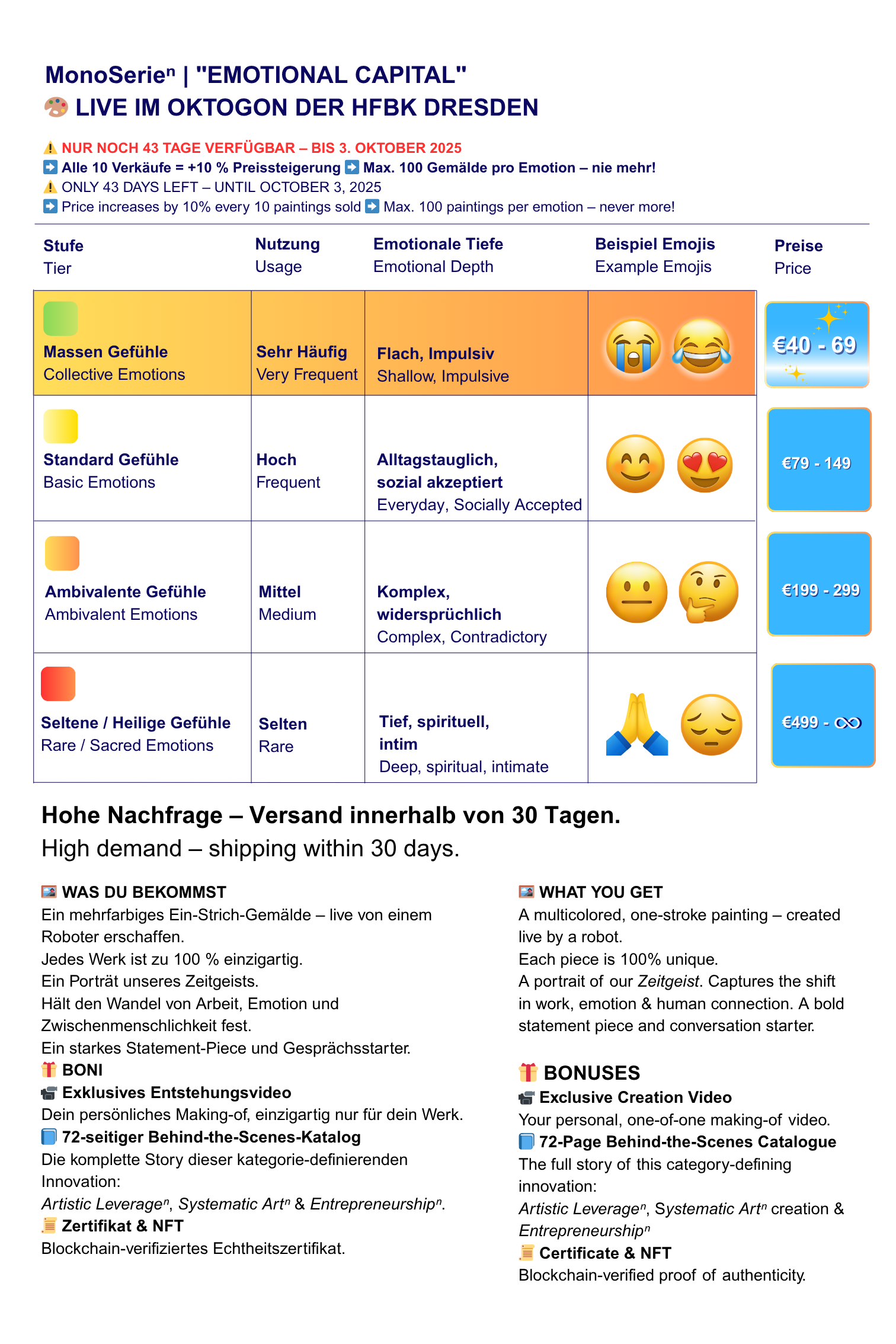
Collective emotions = low staging value, mass‑produced feeling, cheap
Sacred emotions = maximum staging value, irreproducible atmosphere, open‑ended price
Böhme described how objects are staged.
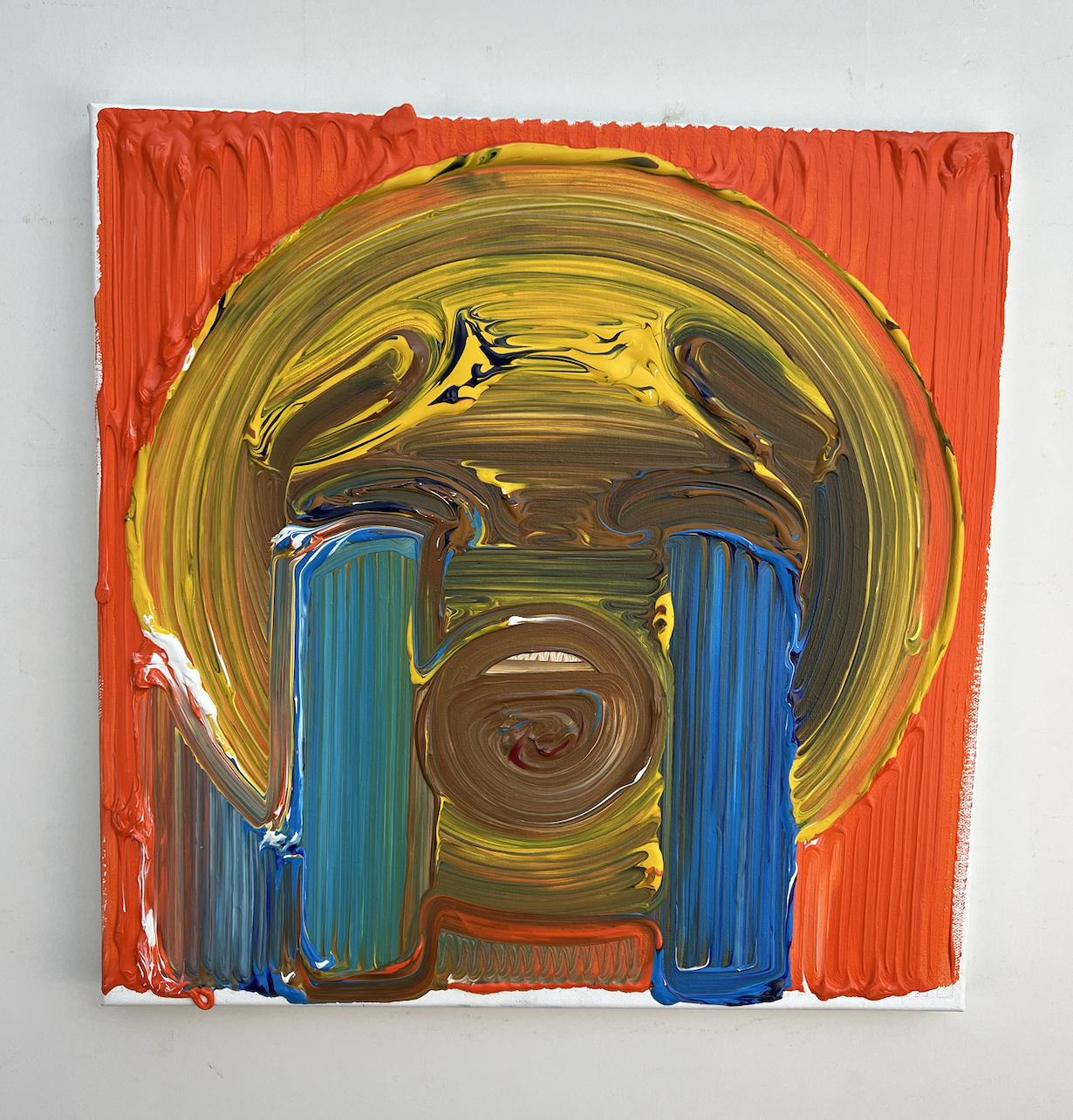
Emotional Capital stages the production of feeling itself – the robot’s 43‑second (up to ~8:38 min) run, the visitor painting, the atmosphere in the Oktogon – and then prices the emotion tier that this staging creates.
Böhme mapped the territory.
I built a business model on top of his map.
This is not a painting.This is a price tag on your inner life.
Every emotion you've ever posted, shared, performed, or sold to an algorithm already has a market value.
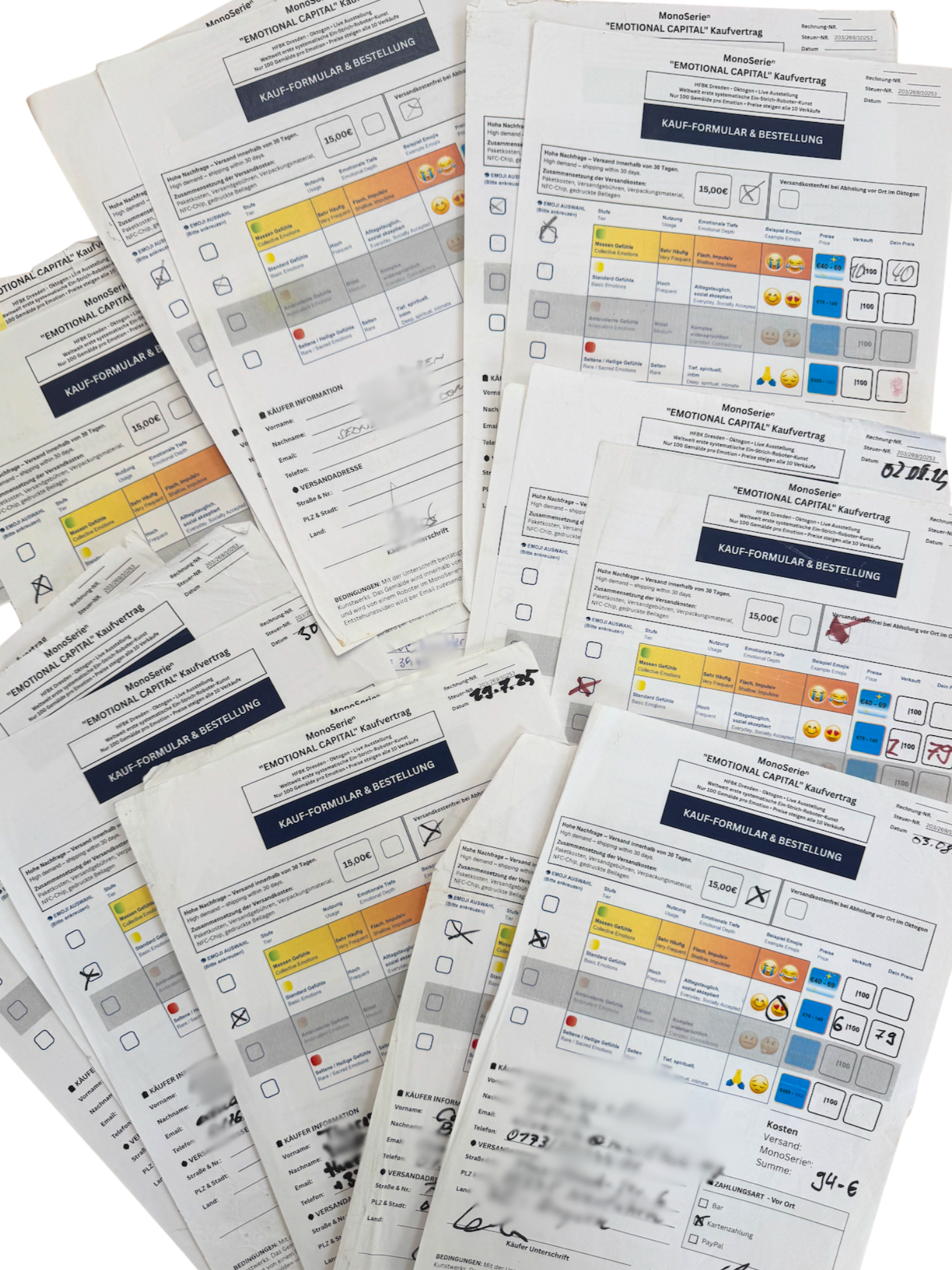
I closed €3,100 in direct art sales from 32 paying visitors inside the Oktogon in Dresden between 25.07 and 07.09.2025.
People bought.
The emotional capital became real money.
What I actually sold
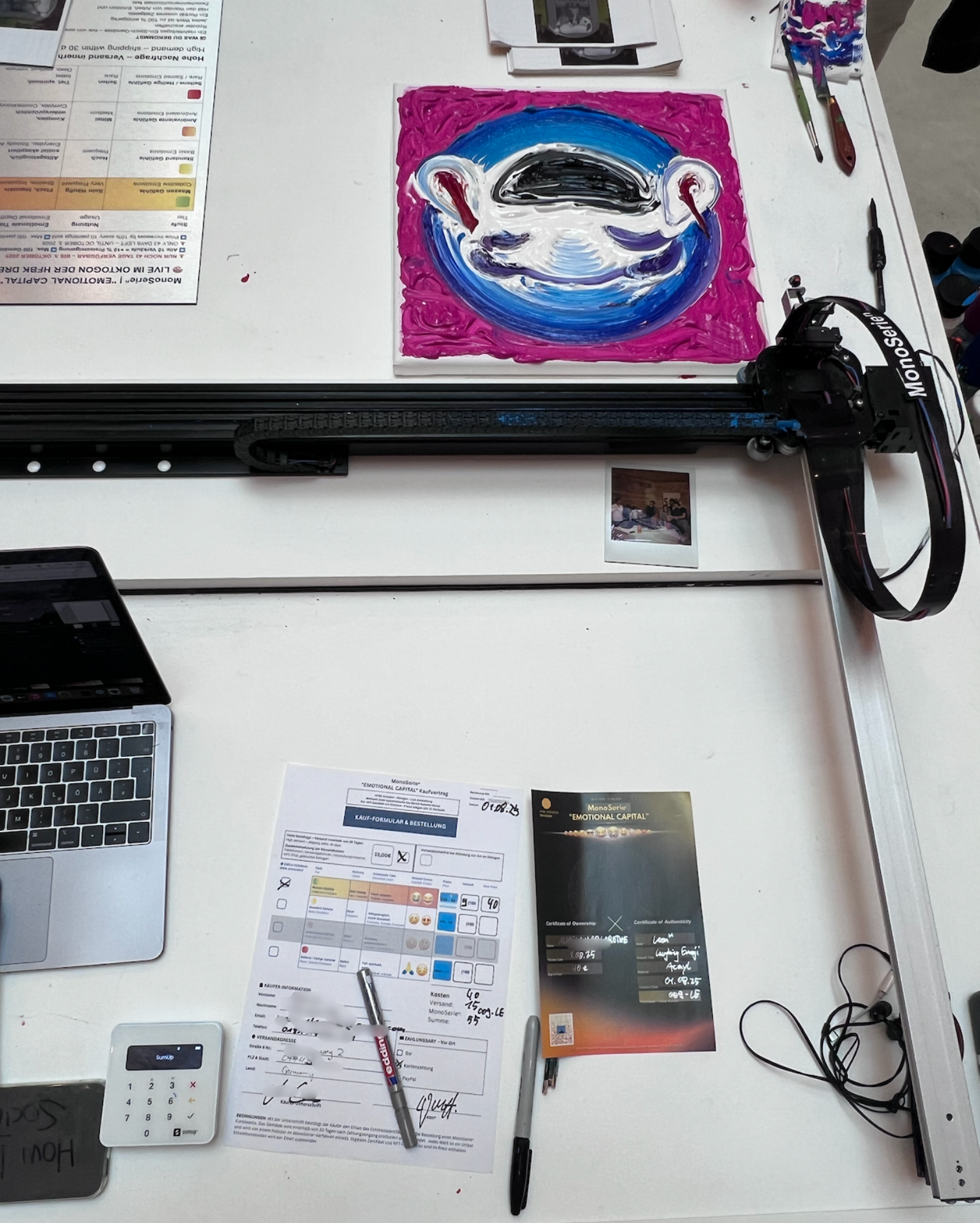
I had four emotion tiers and sold:
18× Massen Gefühle / Collective (😭😂) → list: €40–69
11× Standard Gefühle / Basic (😊😍) → list: €79–149
1× Ambivalente Gefühle / Ambivalent (😐🤔) → list: €199–299
3× Seltene / Heilige / Sacred (🙏😔) → list: €499–∞
Total pieces: 33
Cash actually closed: €3,184 from 33 buyers.
“With my four emotion tiers and the +10% ladder every 10 sales, I sold 33 pieces to 33 buyers and closed €3,184 in direct revenue.”
The sale itself was part of the artwork:
through real capital transfer, emotional quality was traded as emotional equity and priced accordingly.